
Civic awareness is about understanding how our government, society, and communities work together. It helps people know their rights, duties, and the ways they can make a difference. When people are aware, they become active citizens who help shape a better and fairer world.
Civic awareness is more important than ever. It helps us make smart decisions, vote wisely, and support causes that matter. This article explains six important reasons why civic awareness matters for everyone. From personal growth to stronger communities, understanding our civic duties creates a more united and informed society.
1. Helps People Understand Their Rights and Responsibilities
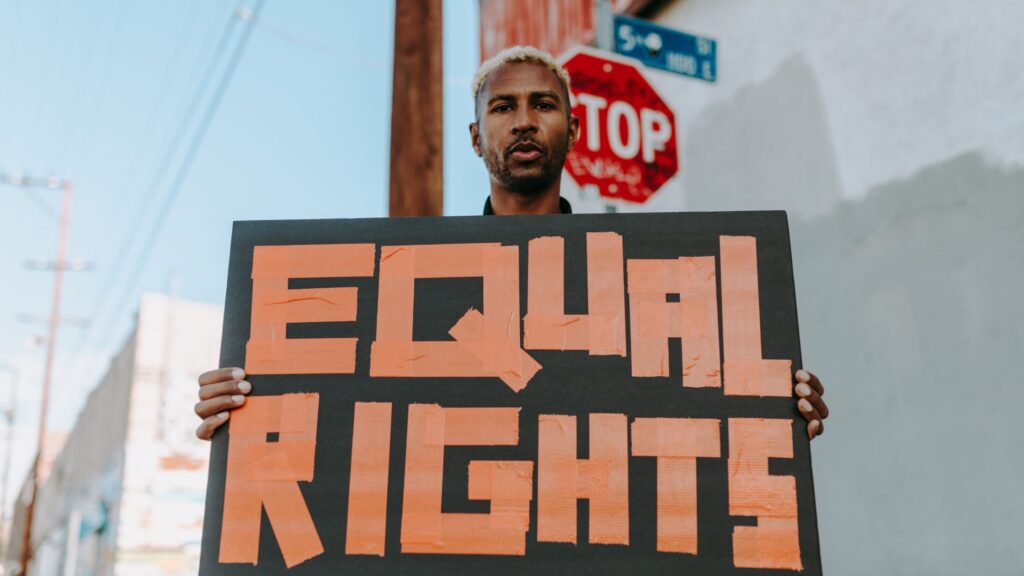
Civic awareness gives people the knowledge they need to understand their rights and responsibilities. It teaches us that we all have a voice and that our opinions matter. When people know their rights, they can stand up for themselves and others when something is unfair. For example, understanding laws about freedom of speech or equality helps people protect these values in their daily lives.
On the other hand, knowing responsibilities, like obeying laws, paying taxes, or voting, reminds us that being a good citizen means more than just enjoying benefits. It also means giving back to society in meaningful ways. Civic knowledge creates balance. It empowers people to speak up when needed while respecting the rules that keep everyone safe.
2. Builds a Stronger and More United Community

When people are aware of how their community and government work, they become more involved. They attend local meetings, volunteer, and help solve problems that affect everyone. Civic awareness creates a sense of belonging, it reminds us that our actions matter, no matter how small they seem.
Communities with high civic awareness tend to be stronger and more peaceful. People listen to each other, share ideas, and respect different opinions. They work together to improve schools, protect the environment, or make neighborhoods safer. A well-informed community is a connected community. When everyone understands their role, teamwork grows naturally, and positive change becomes possible.
3. Encourages Active Participation in Democracy
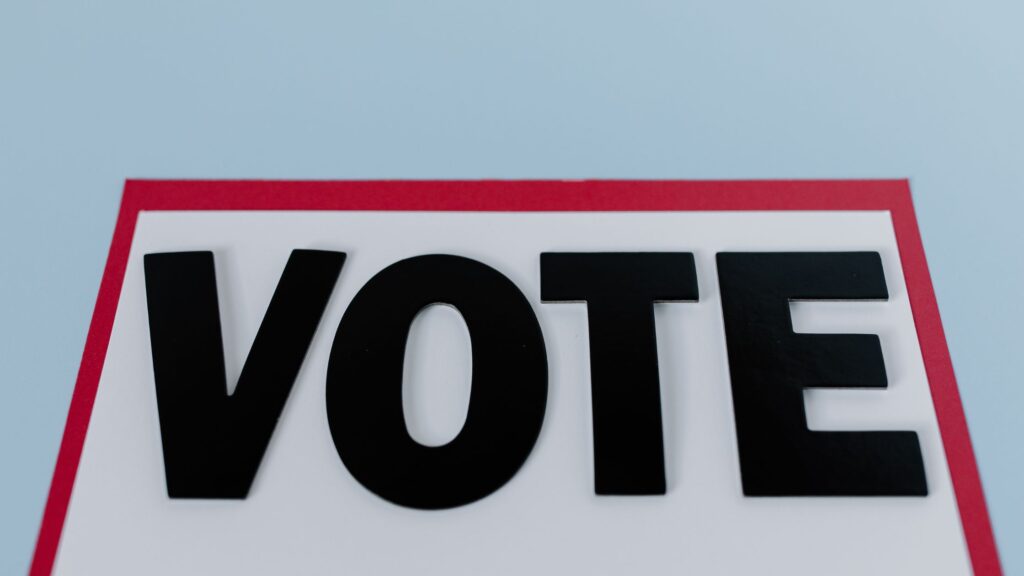
Democracy only works well when citizens are active and informed. Civic awareness gives people the tools to take part in this process effectively. It helps them understand how elections work, what government roles mean, and how to question policies respectfully. An aware citizen doesn’t just vote, they make their vote count.
They read about candidates, understand issues, and think critically before making choices. They also follow up after elections, holding leaders accountable for their promises. Participation goes beyond voting. Writing to local representatives, joining discussions, or attending public forums are all ways to make voices heard. Civic awareness turns people from bystanders into active contributors to the nation’s progress.
4. Reduces Misinformation and Promotes Critical Thinking

People often see news or social media posts that may not be true. Civic awareness teaches people to question what they read, check sources, and think before sharing information. When citizens are informed, they are less likely to be misled by rumors or false claims.
They can tell the difference between facts and opinions, which is crucial in making fair decisions, especially during elections or debates on public policies. Critical thinking is a big part of civic awareness. It helps people analyze issues from different sides and find real solutions instead of reacting emotionally. This habit builds smarter, calmer, and more understanding communities.
5. Inspires Social Responsibility and Volunteerism

Civic awareness makes people care about the world beyond themselves. When people understand social issues like poverty, climate change, or inequality, they feel inspired to take action. They might volunteer, donate, or create projects that help others. Social responsibility grows when people see how their actions affect the community.
For instance, recycling, helping at a food drive, or mentoring youth are all examples of civic-minded behavior. Through awareness, people learn that small acts can create big impacts. Civic knowledge reminds us that we are all connected, and our choices shape the future of our communities and our planet.
6. Strengthens Trust and Cooperation Between Citizens and Government
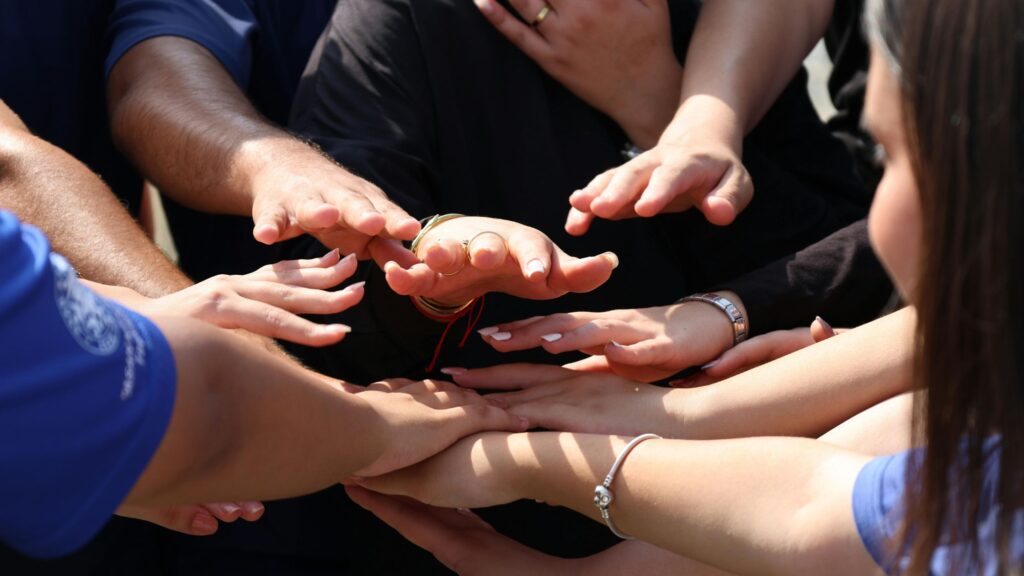
Civic awareness helps build trust between citizens and their government. When people understand how systems work, they can communicate better with officials and demand transparency. This trust is vital for a healthy society. When citizens are informed, they know how policies are made and where their tax money goes.
They can ask the right questions and hold leaders accountable. In return, governments that see active and aware citizens are more likely to act responsibly. Trust grows through open dialogue and cooperation. When both sides understand each other’s roles, there’s less conflict and more progress. Civic awareness bridges this gap and creates a foundation for honest governance and unity.
Conclusion: Awareness Leads to Action
Civic awareness is more than just knowing about laws or elections, it’s about caring for the society we live in. It helps people make informed choices, support fairness, and contribute positively to their communities. When everyone understands their rights, responsibilities, and the power of collective action, society becomes stronger and more balanced.
Civic awareness is the key to transforming individuals into active, thoughtful citizens who can bring real change. By spreading civic knowledge and encouraging participation, we can build a future where awareness leads to action and action leads to a better world for everyone.